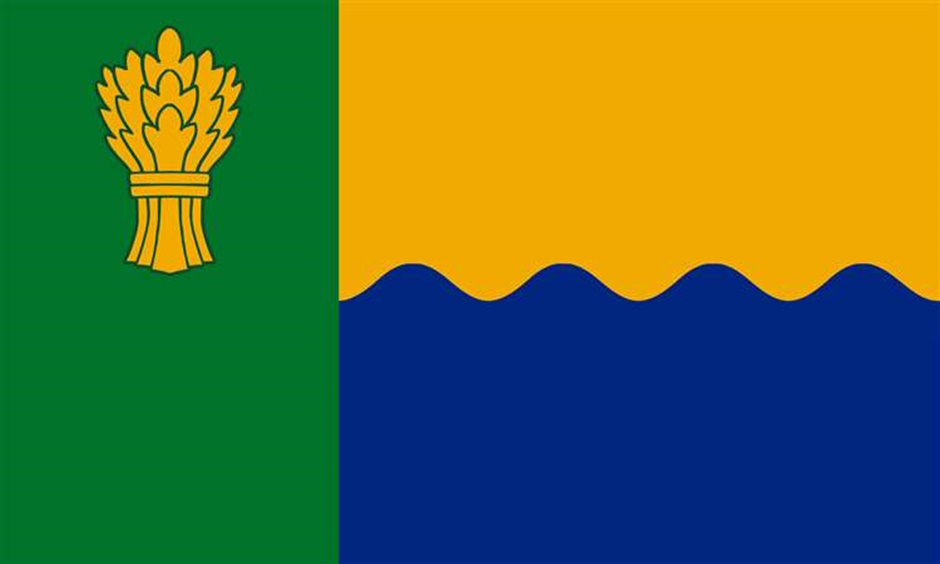
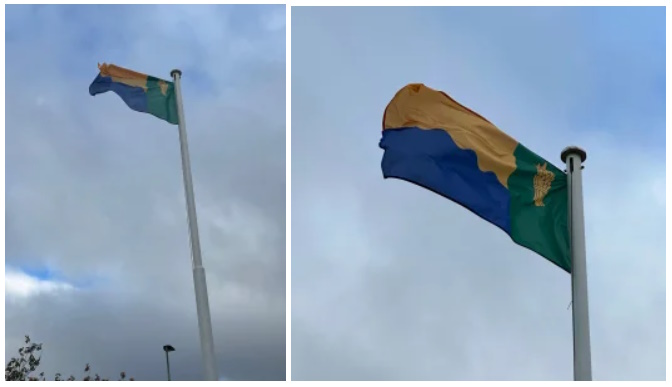
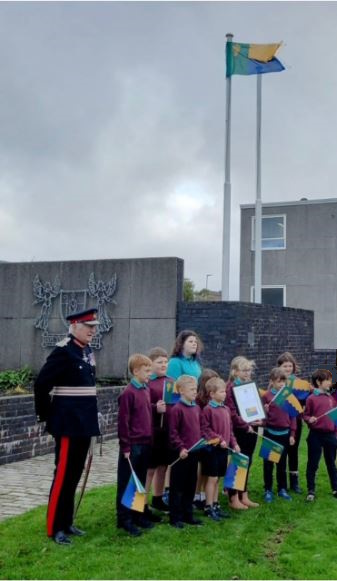
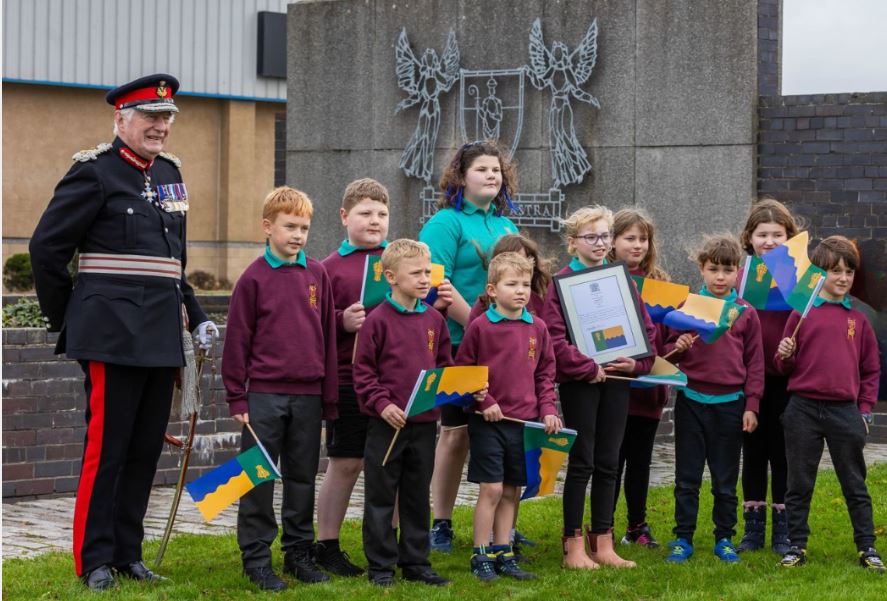
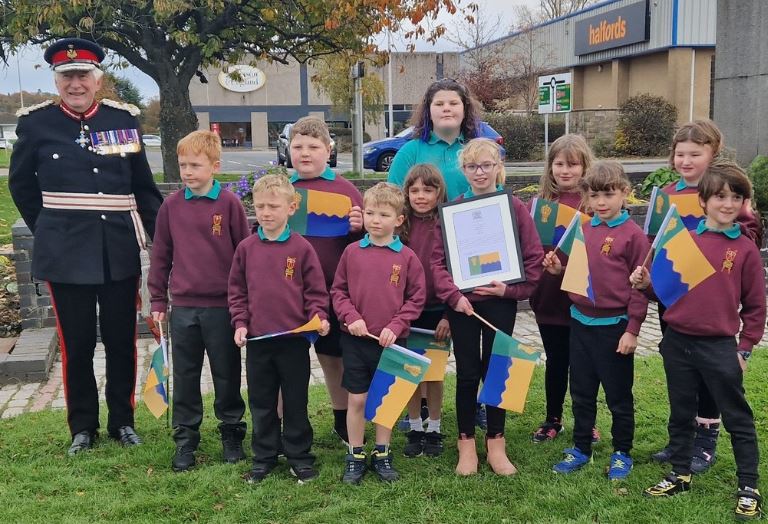
The Moray flag was created by Aila Gibson
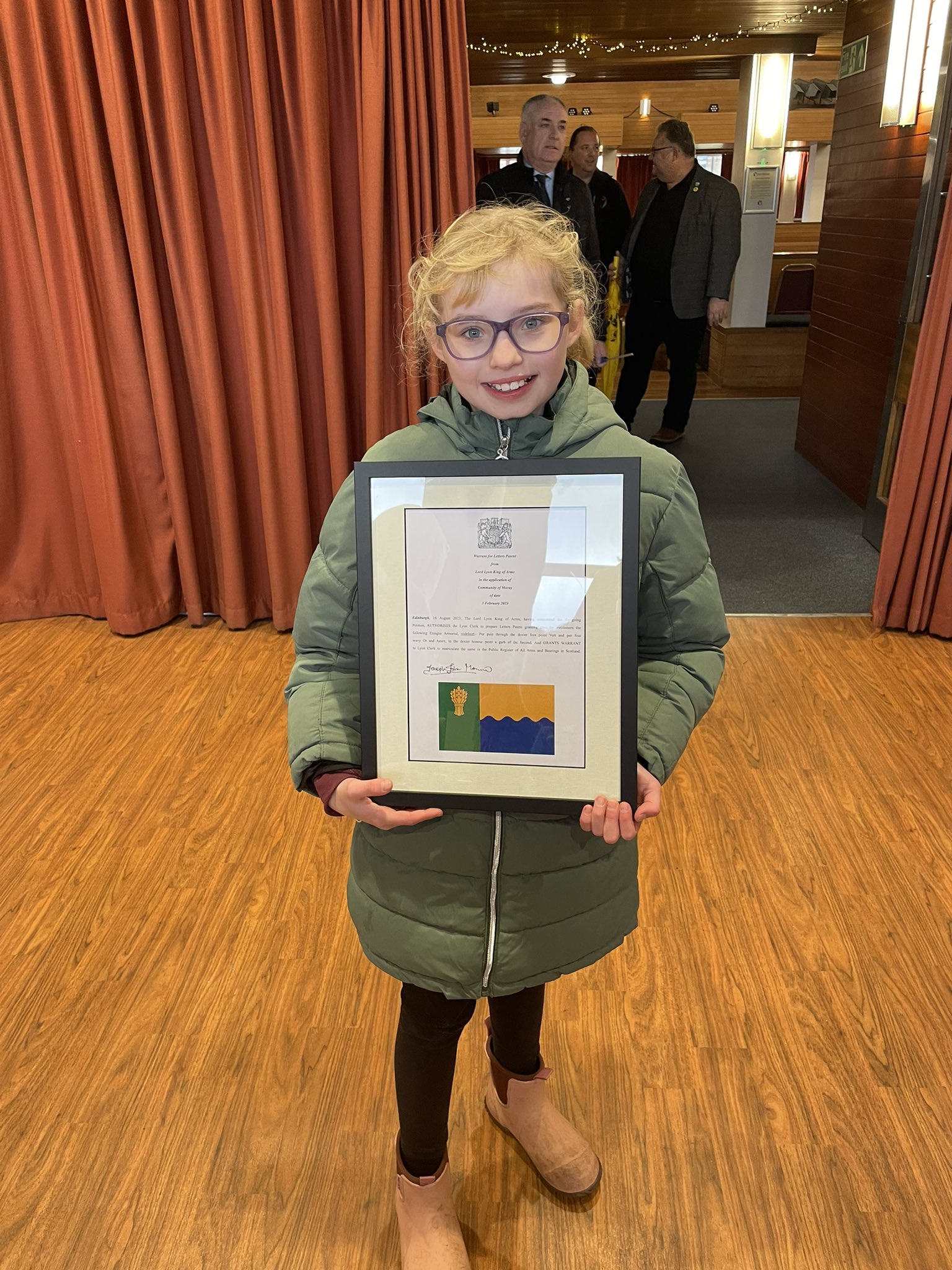
from Dallas Primary School in the county and revealed at a ceremony
held at Elgin Town Hall, with the county’s Lord Lieutenant Seymour Monro and Deputy Lieutenant, Nancy Robson,
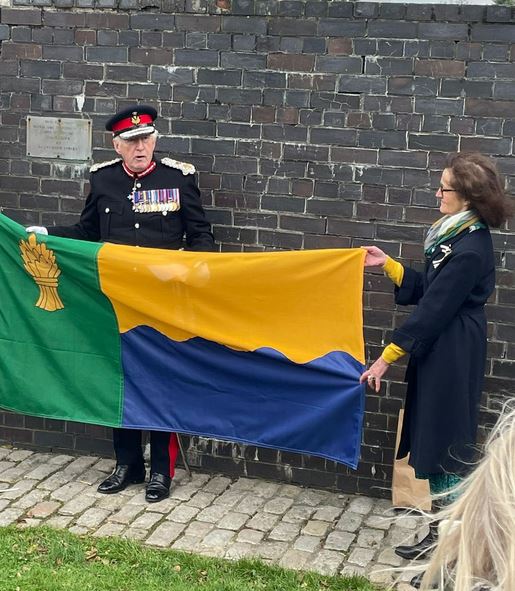 at 2PM on October 28th, 2023.
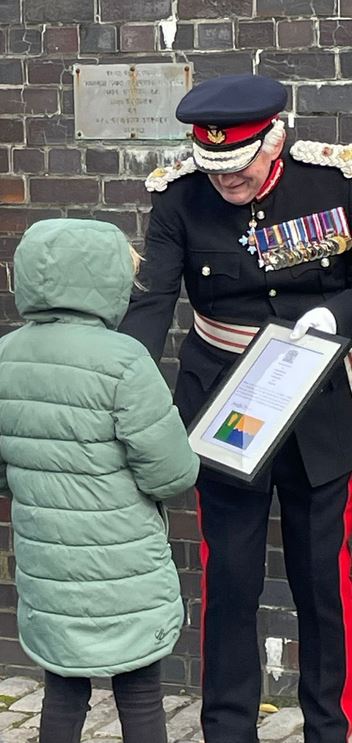
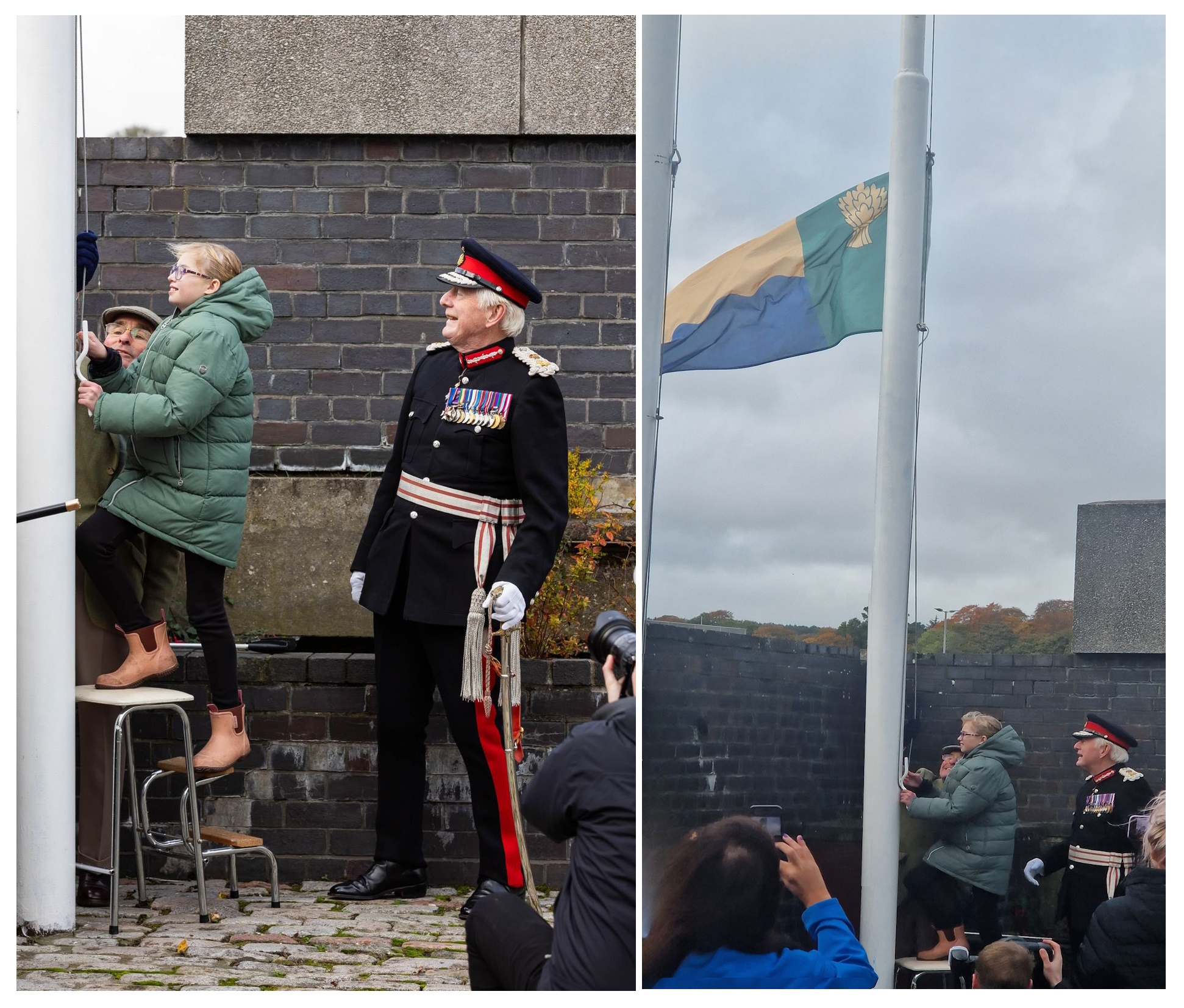
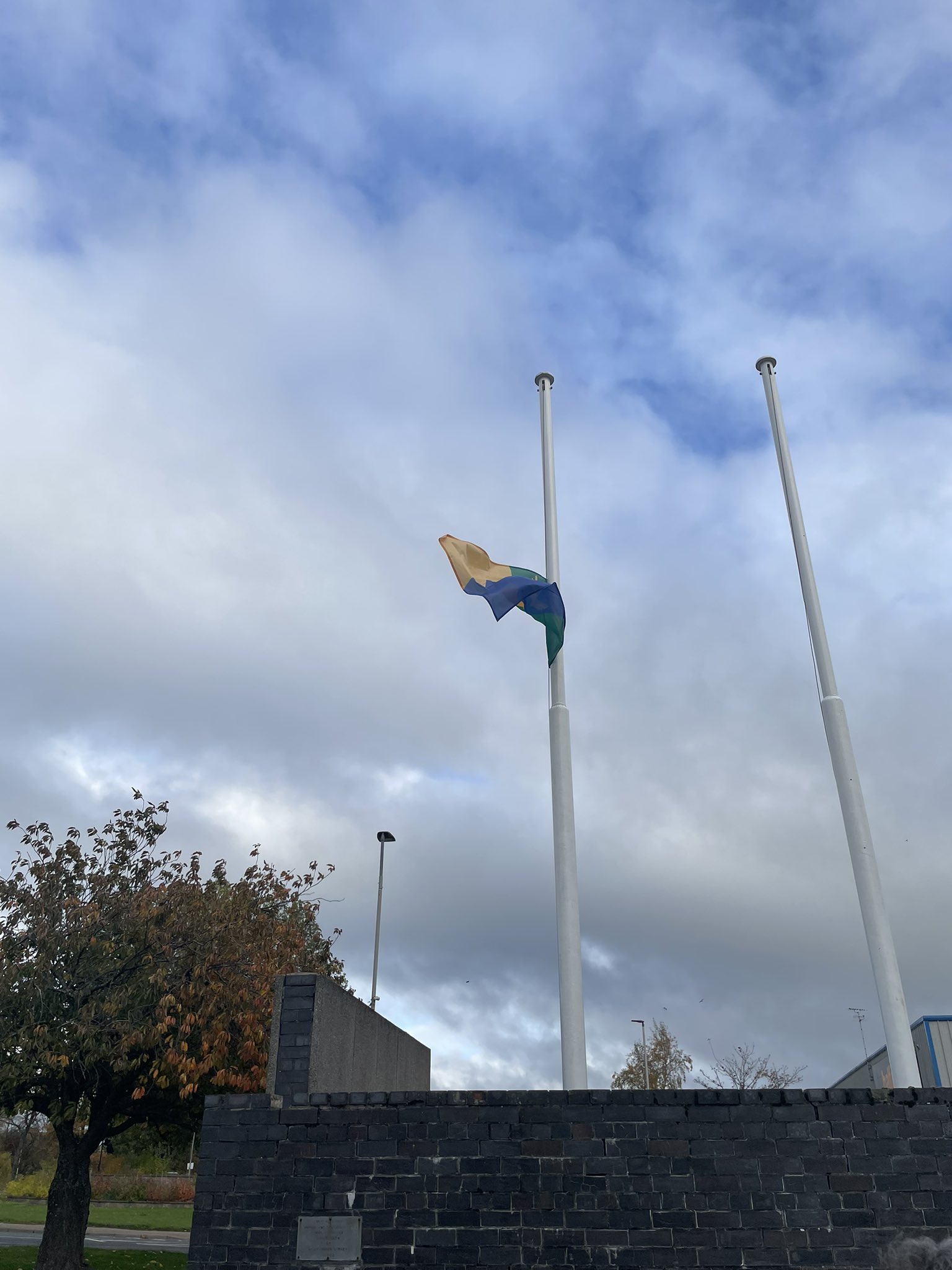
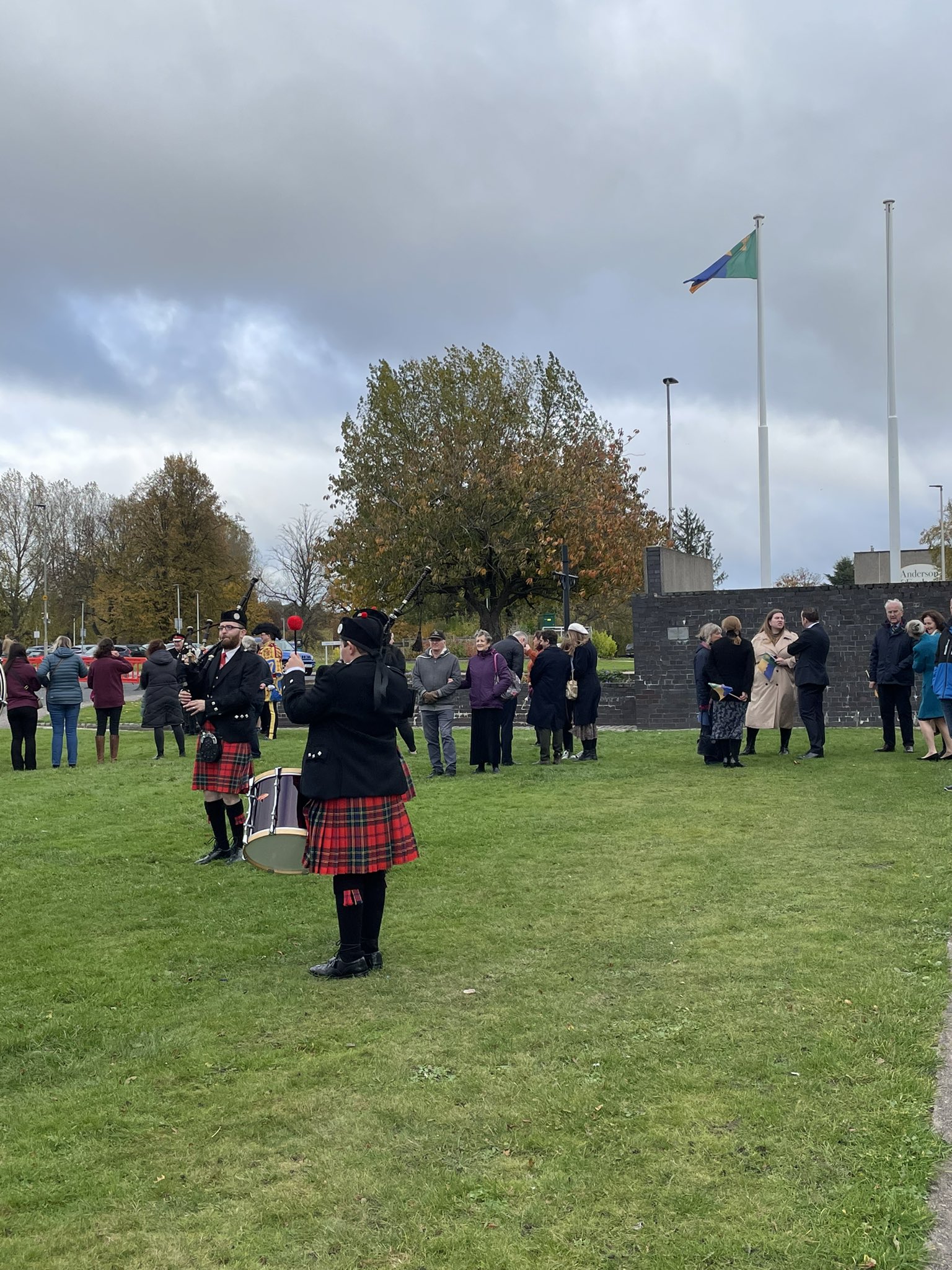
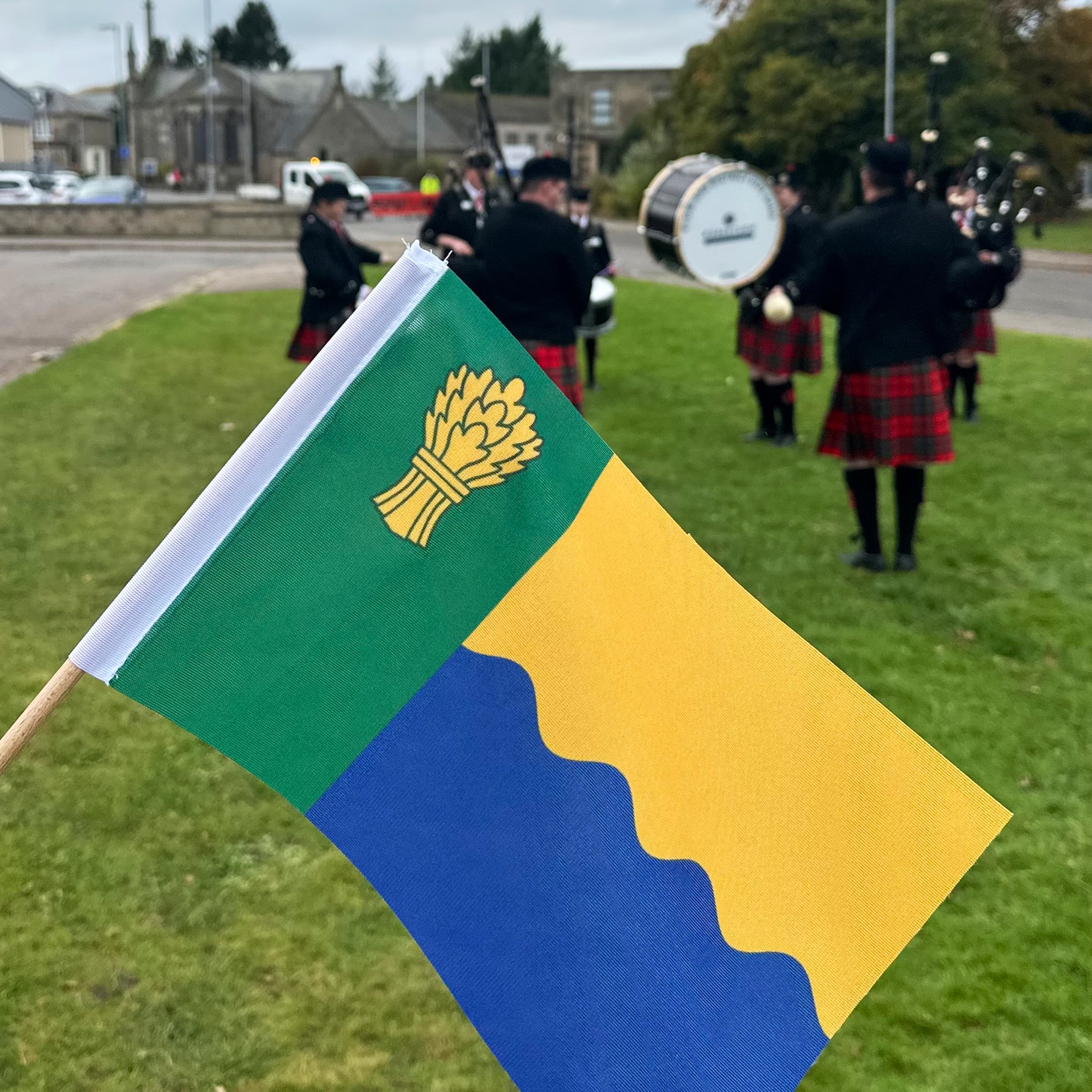
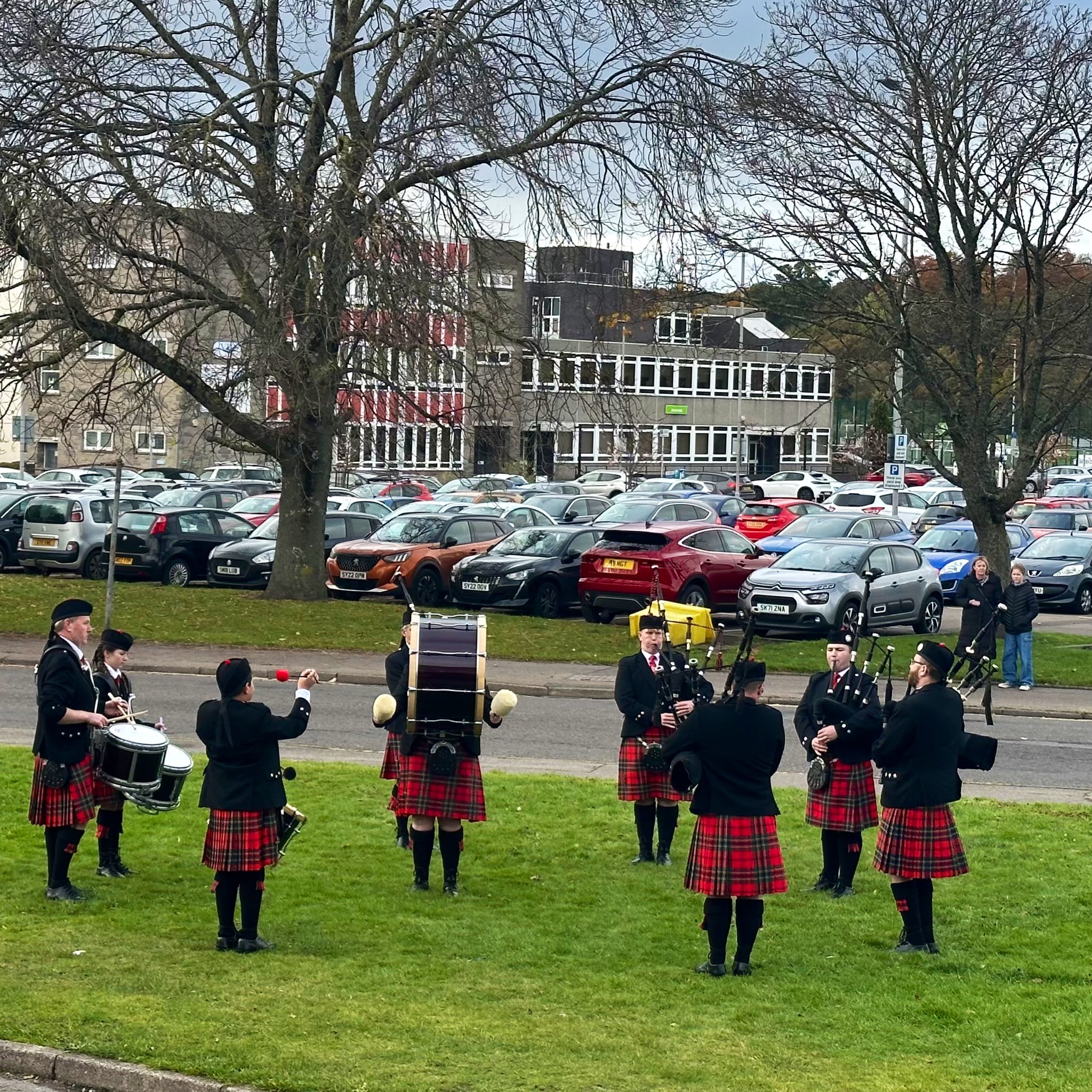
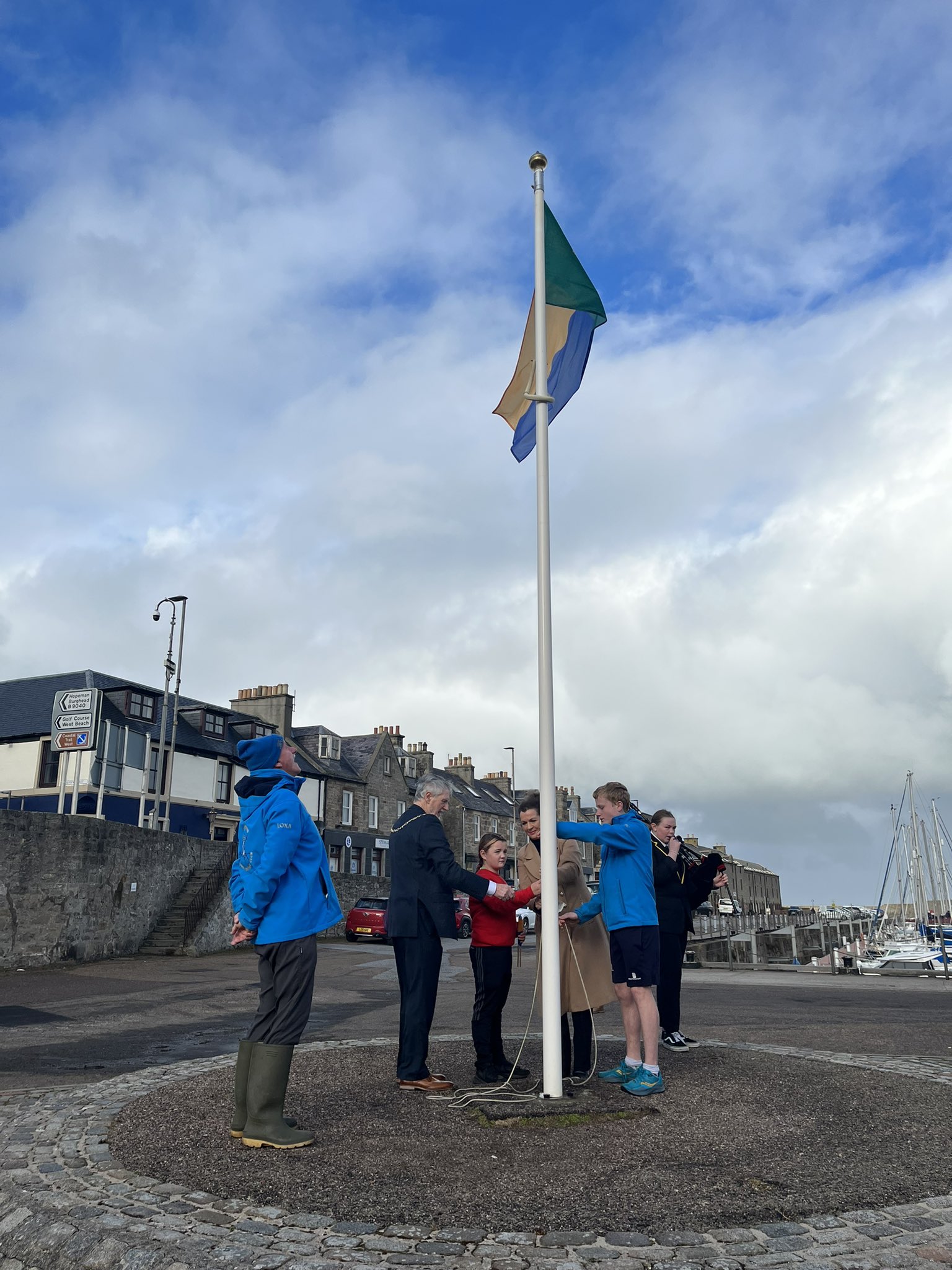
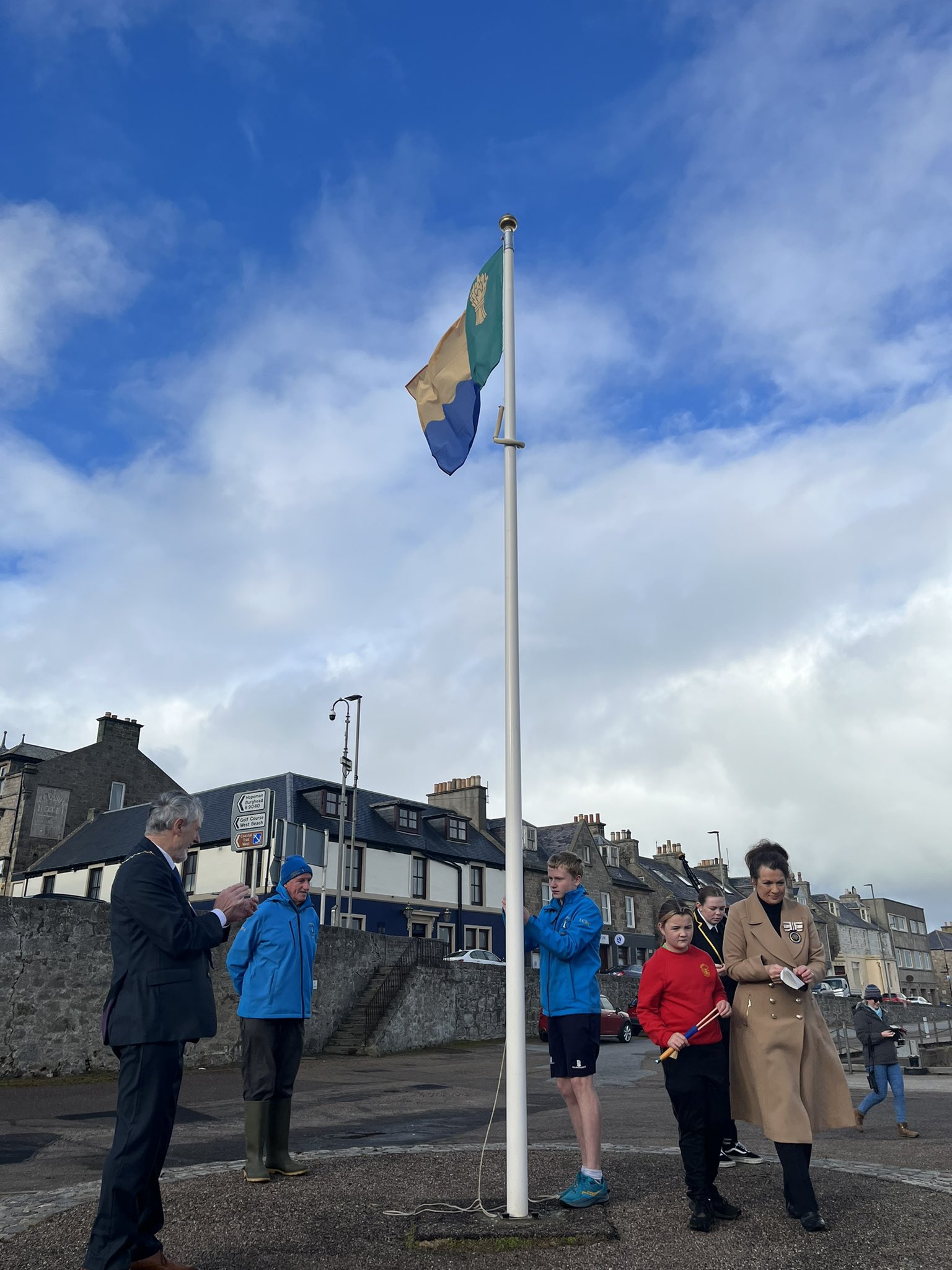
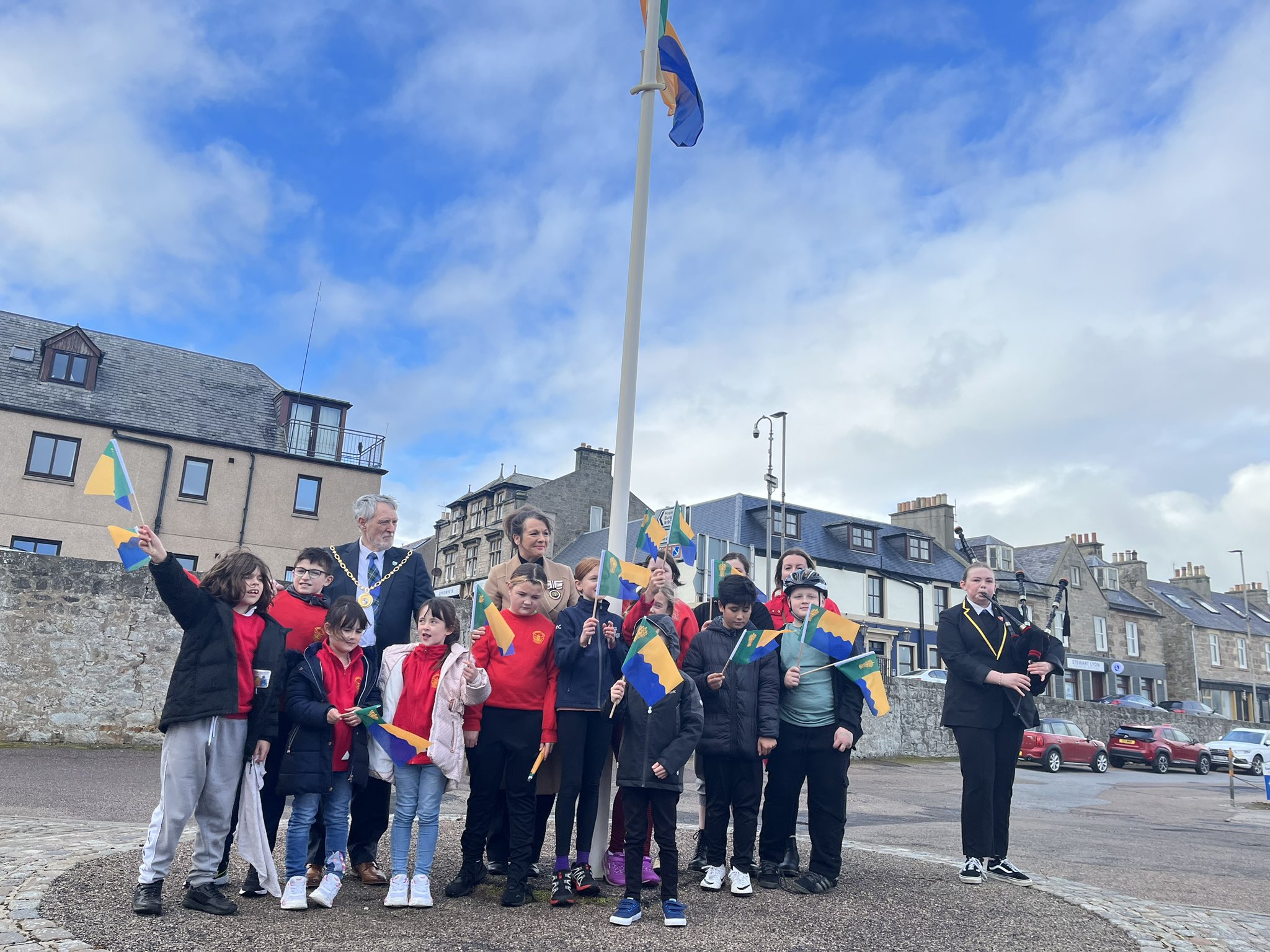
Similar ceremonies were also held in Lossiemouth, at Station Park
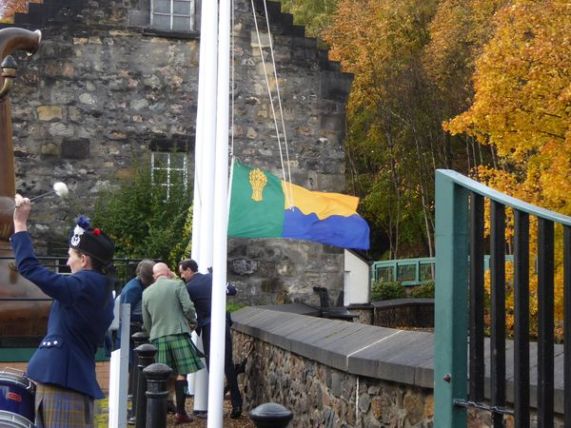
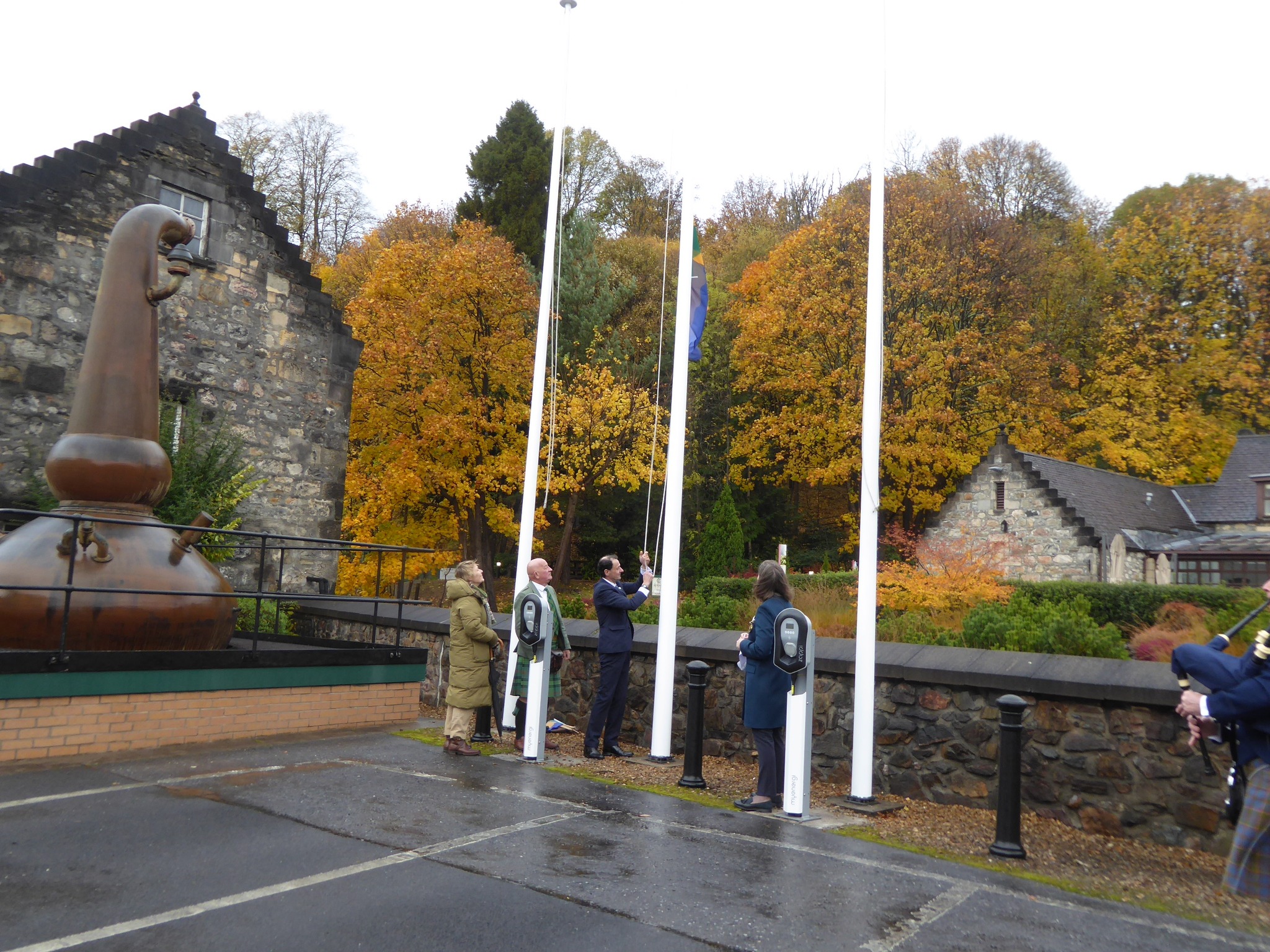
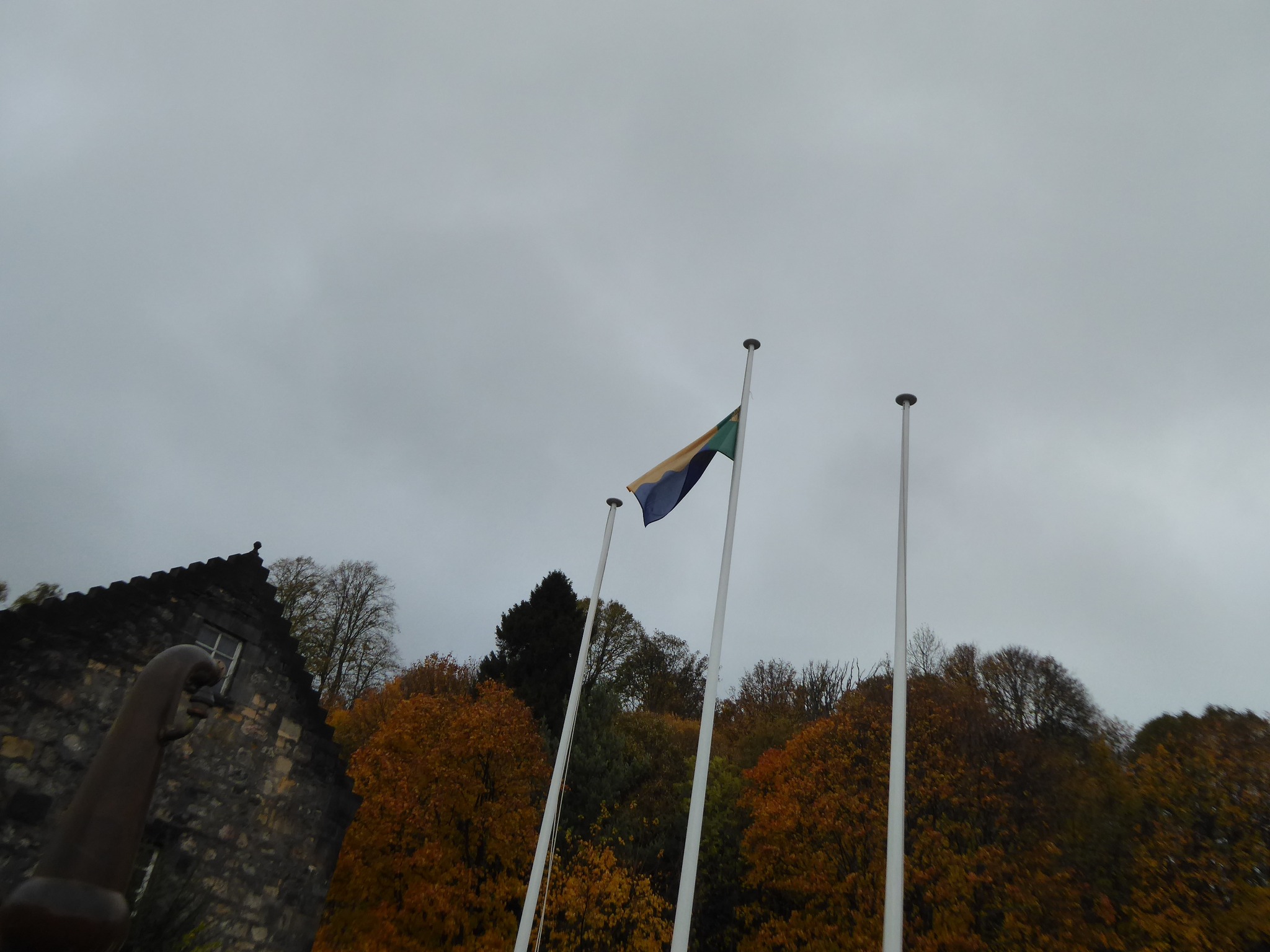
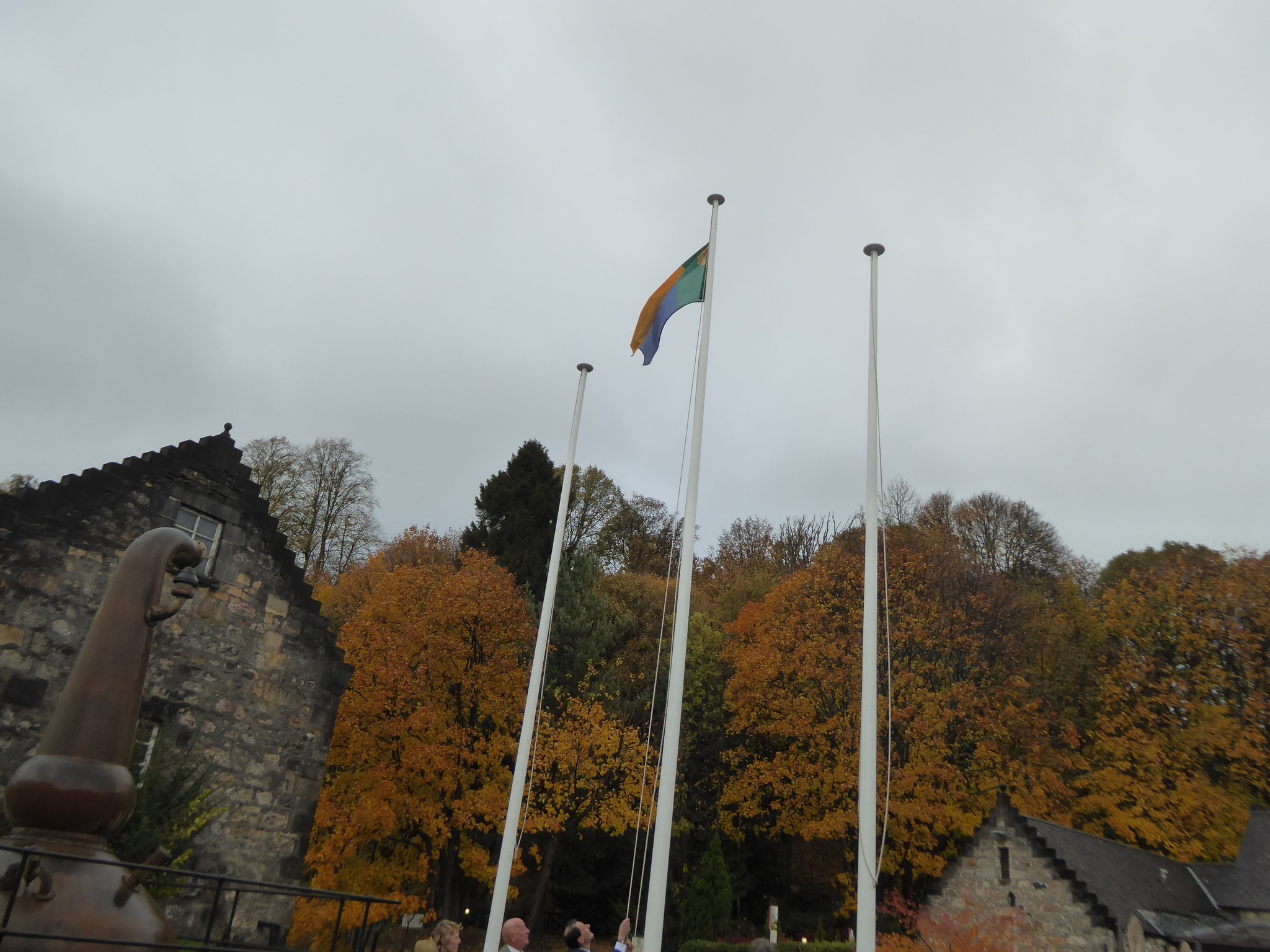
at Glen Grant Distillery, Rothes,
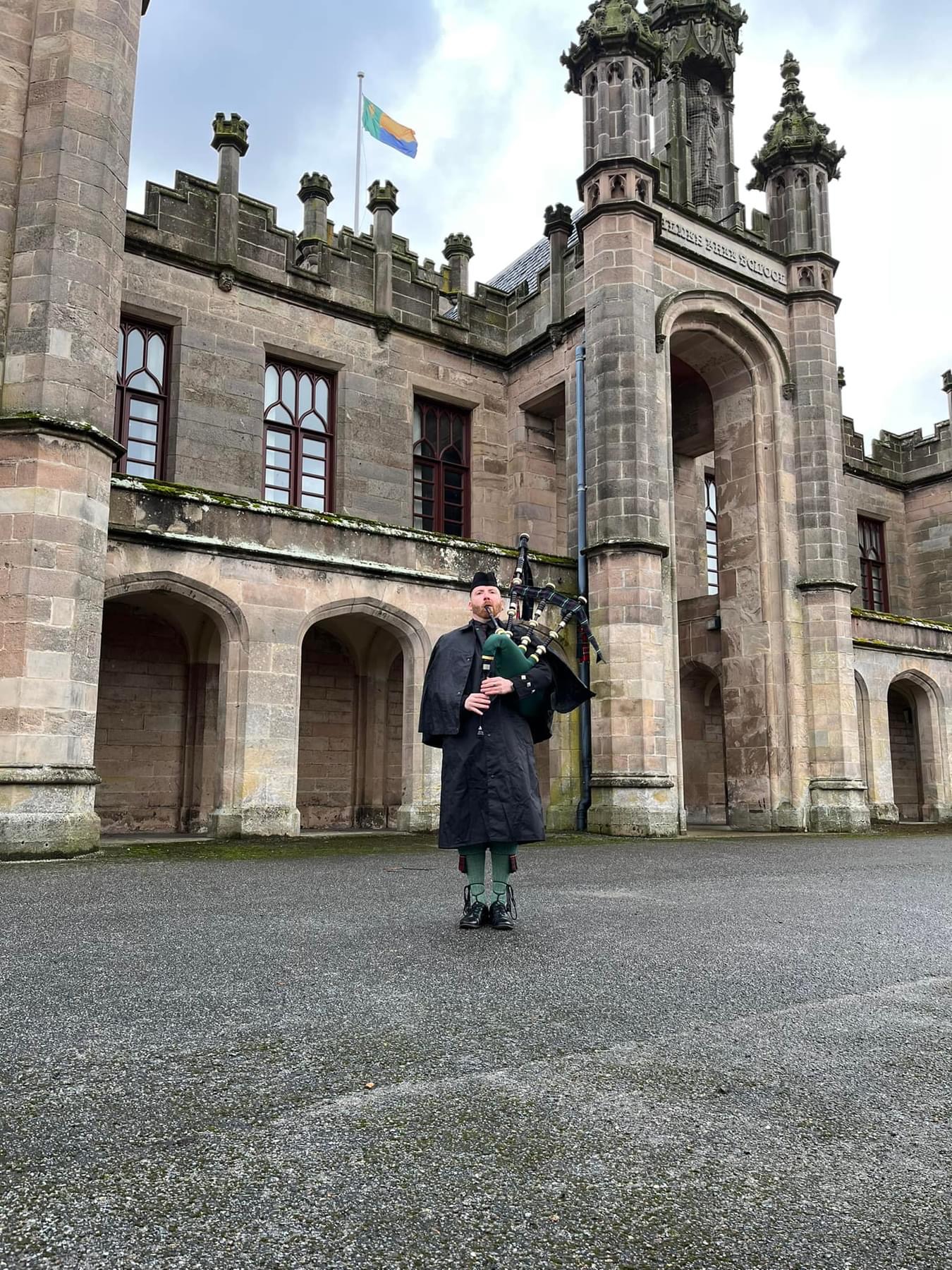
over the fantastic Milnes Primary School building in Fochabers
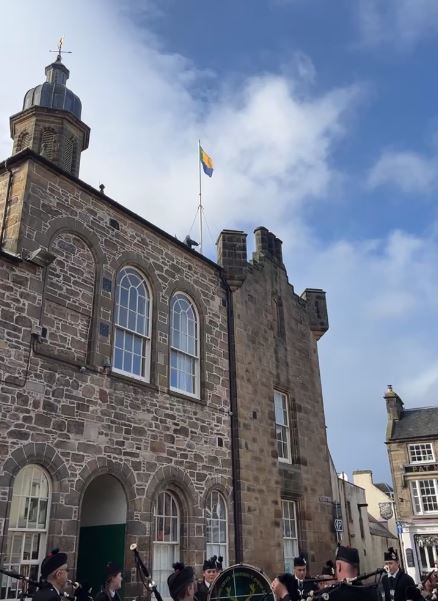
 and at the Tollbooth in Forres
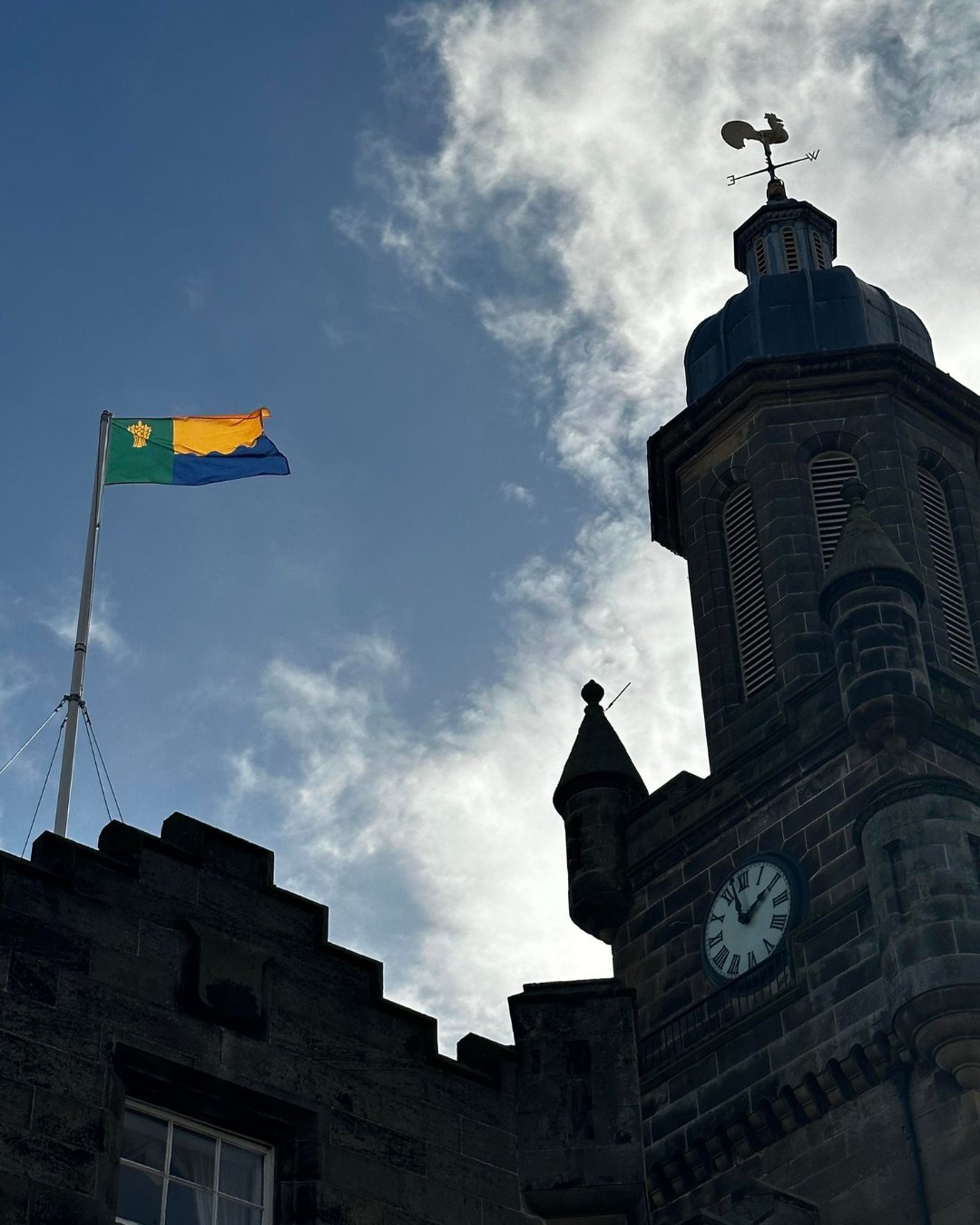
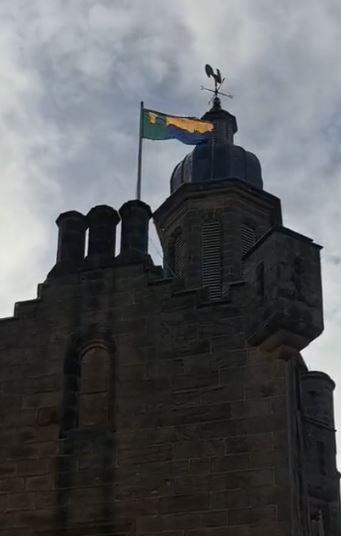
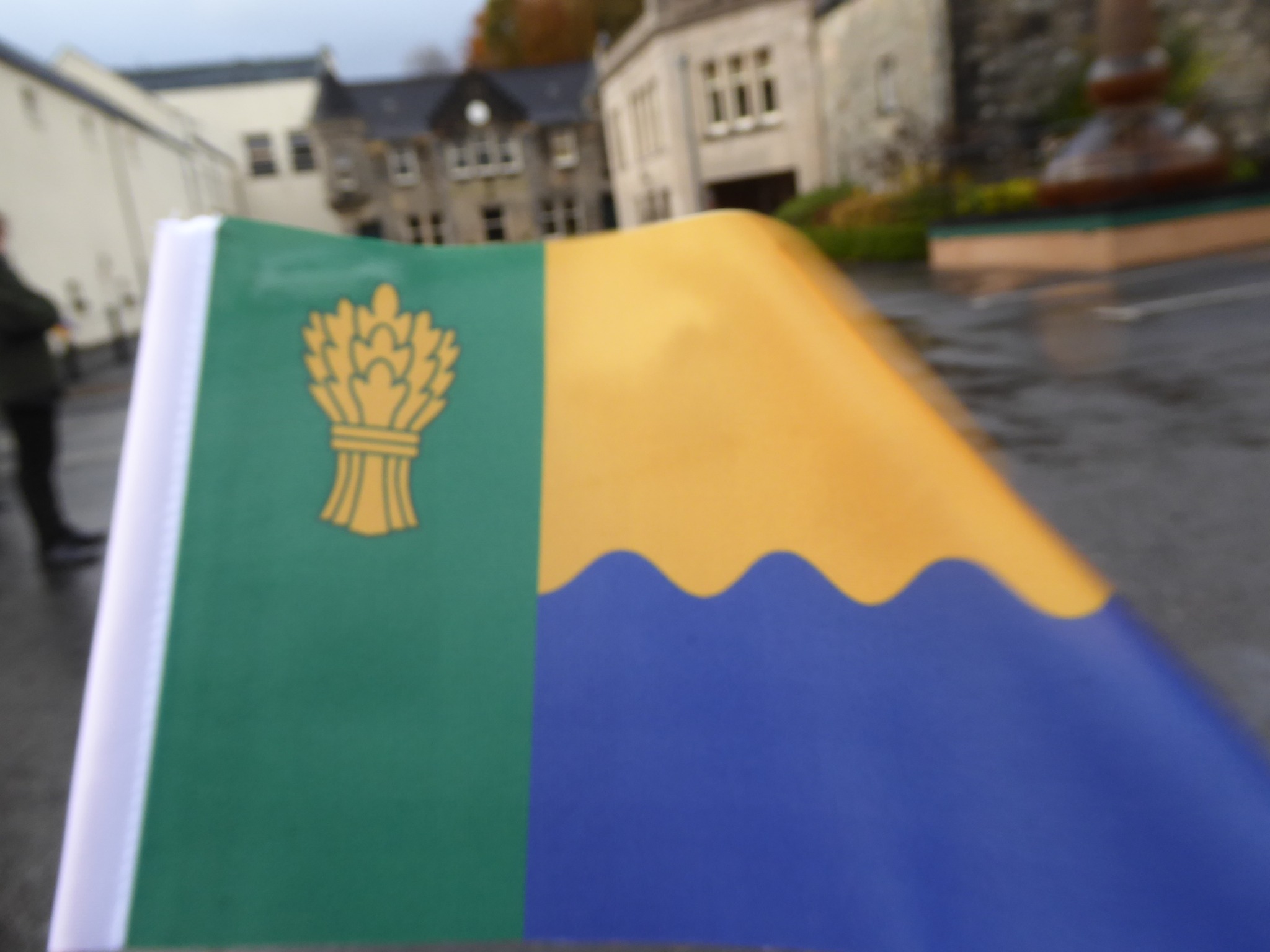
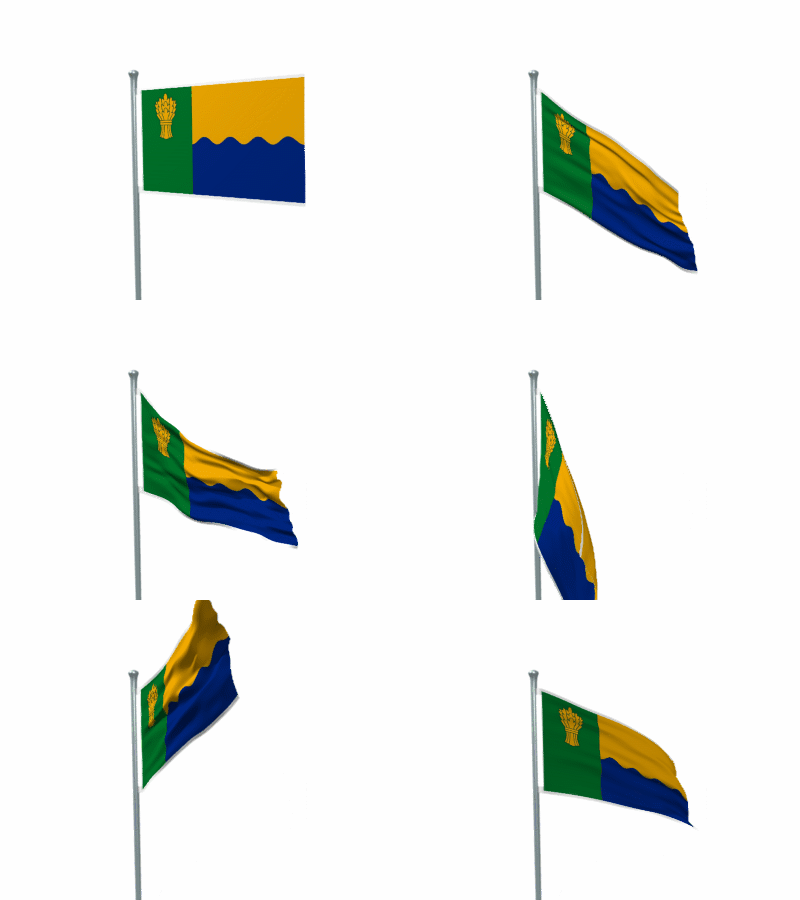
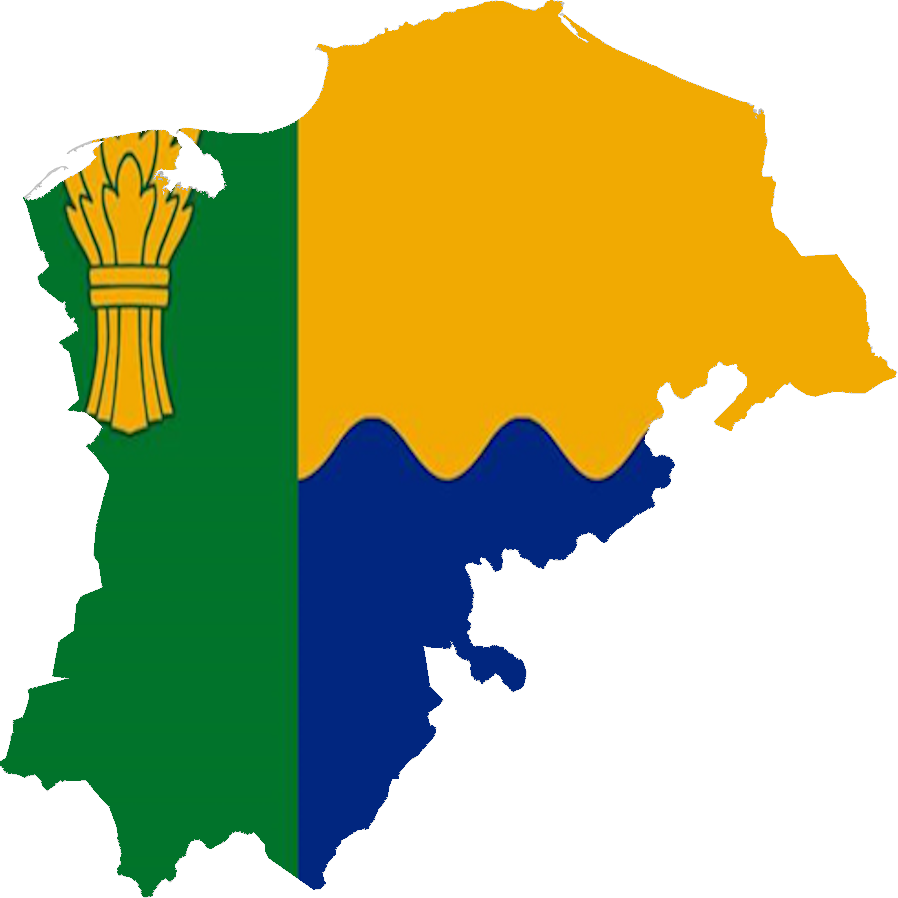
The winning design in a competition, the flag’s green hoist and golden garb or wheatsheaf, recall the rich agricultural output of the county, A gold band over blue, divided by a wavy partition, together represent the sand and sea of the county’s coast. This reference further alludes to the origin of the name Moray itself, coming from Gaelic or Pictish terms indicating a marine connection. A wheatsheaf, heraldically designated a garb, had featured on a seal
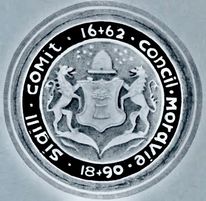
used by the former Moray County council, for its documentation, where it appeared on a shield supported by two lions from 1890, until the body was officially awarded a coat of arms on July 20th 1927. The choice of a garb was itself inspired by its earlier appearance on the seal used by the 17th century “Commisariat of Moray”, an administrative body that comprised territory across the region, including the counties of Nairn, Moray/Elginshire and a number of parishes in Banffshire and Aberdeenshire. Presumably the garb was considered emblematic of the county’s firm agricultural tradition. The council’s garb was also seen on the cap badge
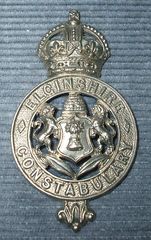
used by the Elginshire Constabulary between 1901 and 1930.
The competition to secure a flag for the county was first announced earlier in the year, on January 24th, 2023, by the Lieutenancy of Moray and it was launched on February 27th to run for four weeks, alongside a similar competition in neighbouring Banffshire, with both to close on March 24th. Commenting on the competition, Seymour Monro, seen at right below (next to Andy Simpson, his counterpart from Banffshire) stated,
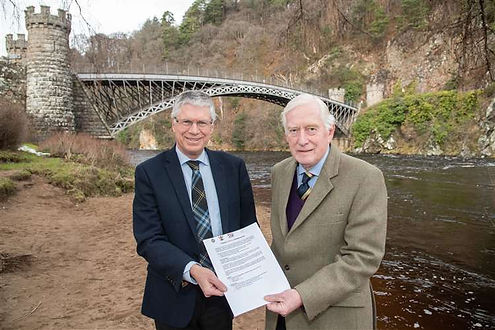
“I love flags! I am sure that Moray should have its very own flag; it’s a great way of expressing our community pride. I am also sure that those taking part in the competition will consider Moray’s heritage, its lands and the sea, its businesses and produce, our wildlife and the vibrant colours we all enjoy up here. We need a flag that is clearly identifiable as belonging to Moray and then we can fly it proudly and cheerfully all over the county and perhaps use it on some of our products.”Nancy Robson, Deputy Lieutenant of Moray, below
 added: “A recognisable symbol of Moray pride will be a huge asset to business and tourism in the county. We are hoping for competition entries from throughout the county, across all ages and abilities, and perhaps further afield… I’m looking forward to the competition, it will be exciting to see the shortlist.”
The 626 competition submissions, received from across the Globe, were whittled down to these four finalists by a panel of judges
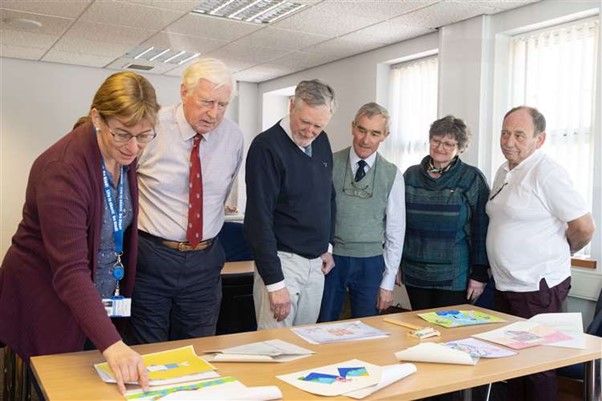
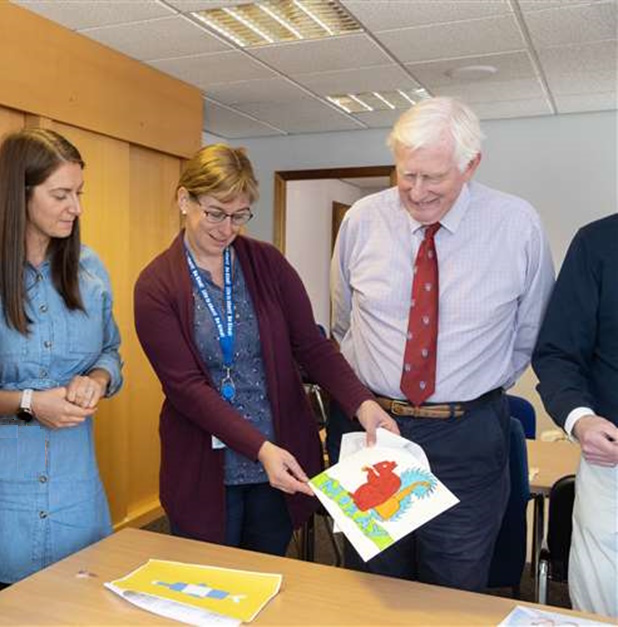
at the end of April, for inclusion in a public vote starting June 27th and closing, August 8th to determine the winner. Upon the launch of the public vote, Moray’s Lord Lieutenant Seymour Monro further observed that,
“This is a unique opportunity in Moray’s history to select a flag for the area. All four of these flags have links to Moray as our new flag needs to be identifiable as our flag. It is now so important that as many people as possible vote for the option they like so that the winner is clear and well-supported. Please vote and encourage your family and friends to vote too – wherever they may be living.”
and Deputy Lord Lieutenant, Nancy Robson, commented
“It is exciting to watch the progress of the flag competition…I look forward to learning which flag has captured the public vote and will honourably represent Moray at home and abroad.”
The event ran in co-operation with local media and was backed by both Visit Moray Speyside and Moray Chamber of Commerce, with its cost covered by generous donations from Walkers Shortbread and Gray Composting Services.
The rationales for the other three finalists are as follows,
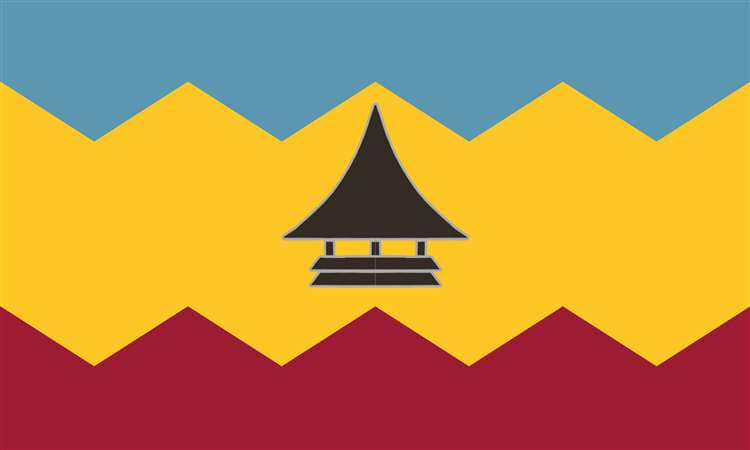 The central golden colour recalls the agriculture of the area as well as the whisky industry, which is further referenced by the whisky pegoda, a common feature in the locality. The zig zag shape, together with the deep red and sky blue colours, recall the hills.
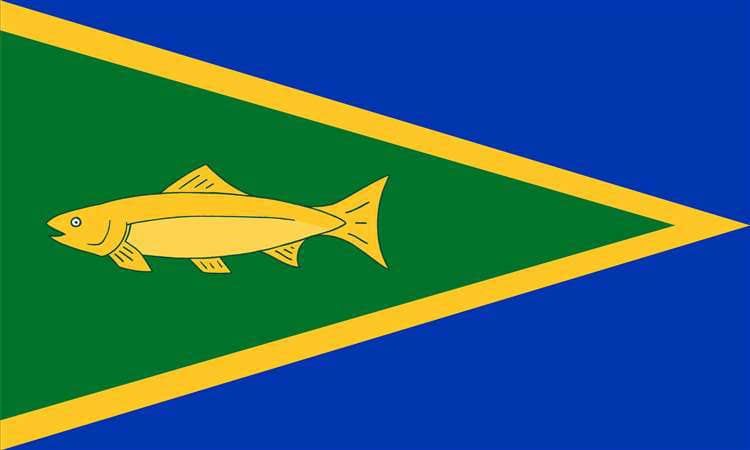 The salmon represents both the in-land waterways such as the River Spey and the maritime fishing industry and the wider Moray Firth. The choice of colours was not defined but presumably refer to sea, sand and land.
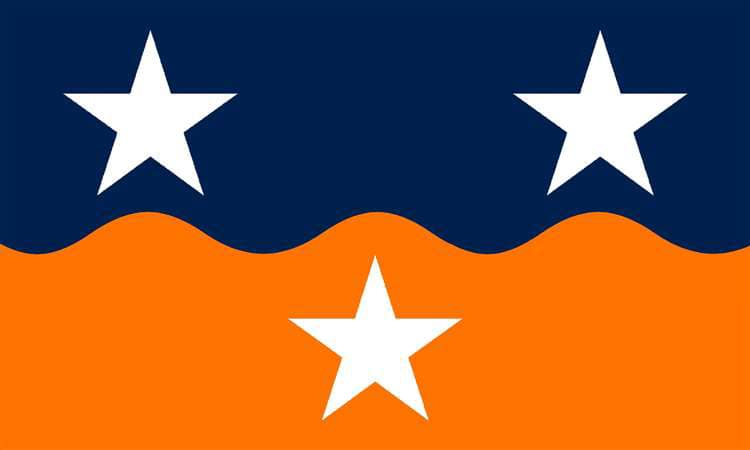 This flag features the traditional stars associated with Moray as used by the ancient earldom
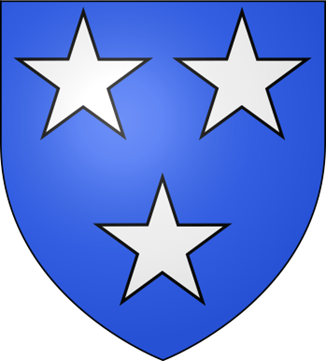
and the former civic arms
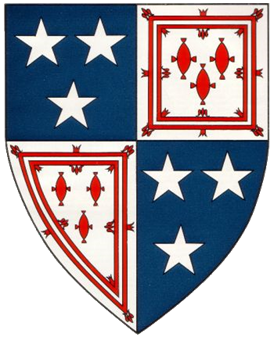
on a blue and orange bicoloured field, divided with a wavy partition. The blue both reflects the heraldic traditions of the area with a dark shade recalling the noted dark skies of the region. The orange band references the famous whisky industry of the region, with the wavy division symbolising the River Spey.
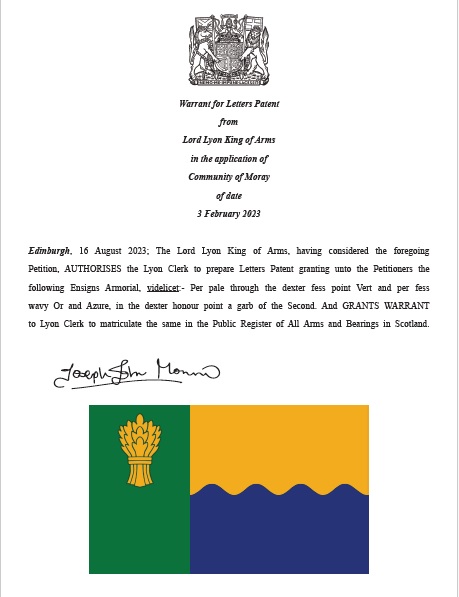
In 2026, a special unveiling
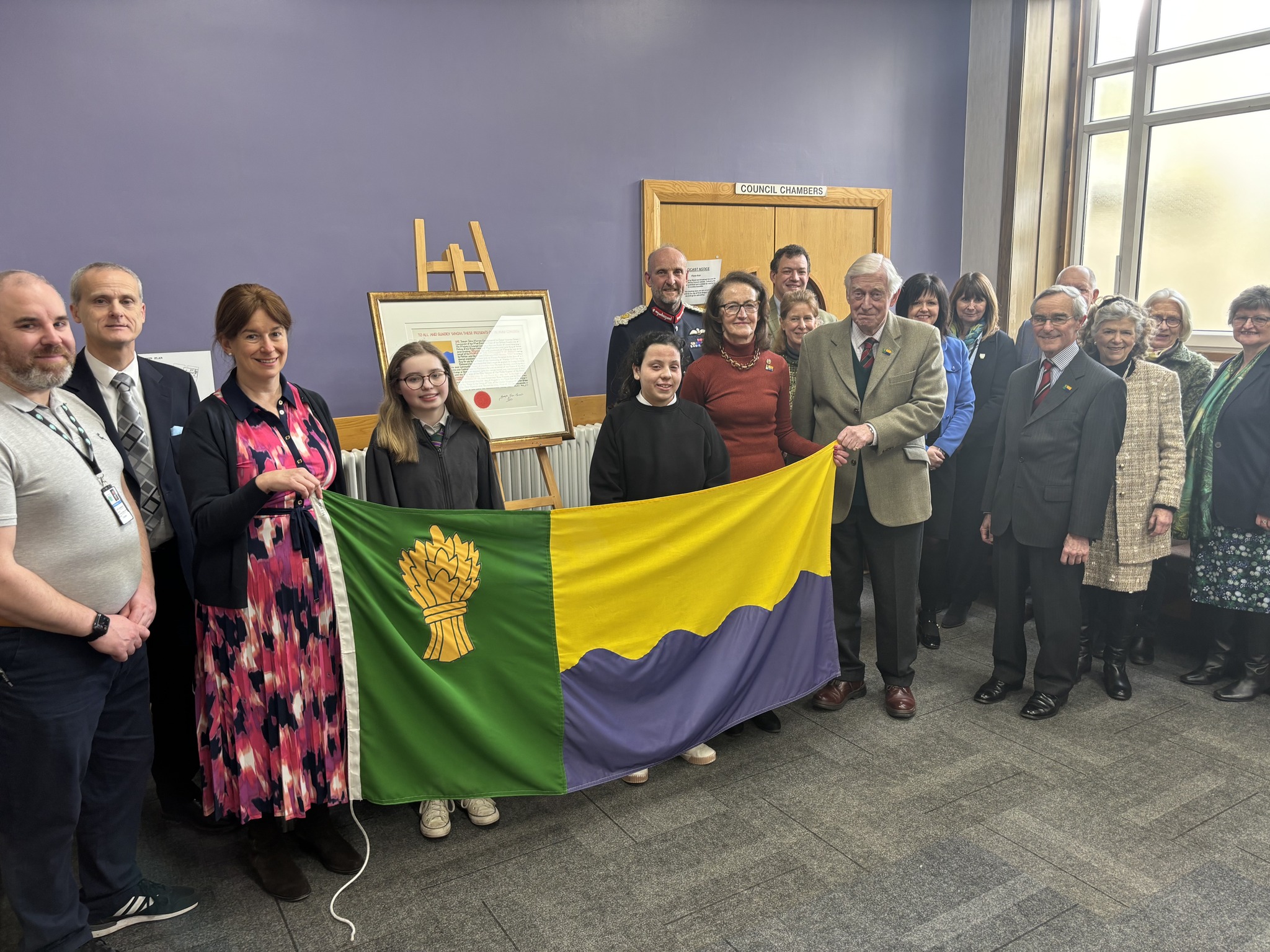 took place on February 18th, of the Letters Patent
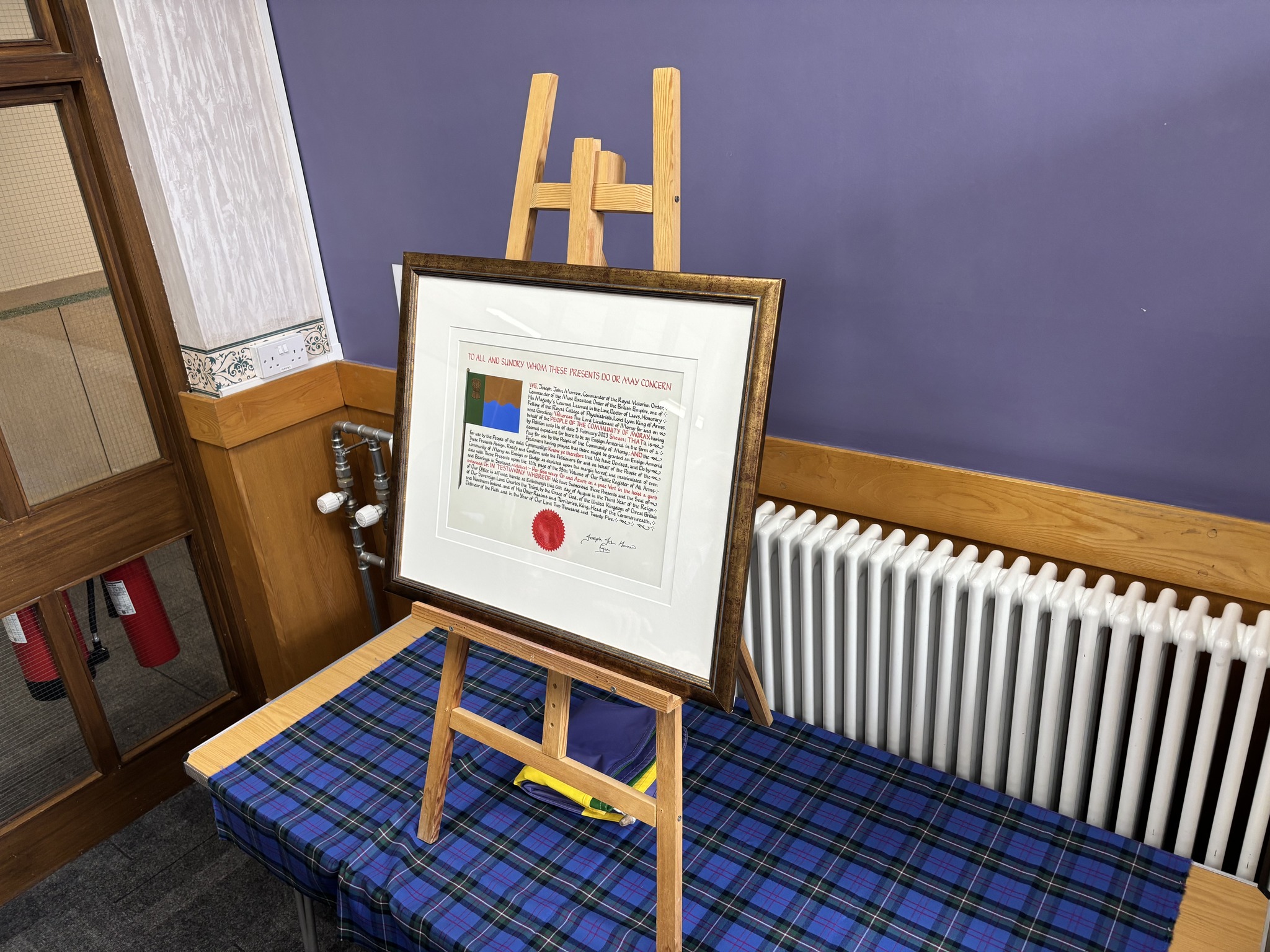 for the Moray Flag, marking a significant milestone in the flag’s journey from community competition to formally recognised symbol. The short ceremony at Moray Council Headquarters in Elgin, was attended by invited guests, including Lord Lieutenant of Moray, Air Commodore Alistair Monkman, former Lord Lieutenant of Moray Major General Seymour Monro and Vice Lord Lieutenant Nancy Robson.
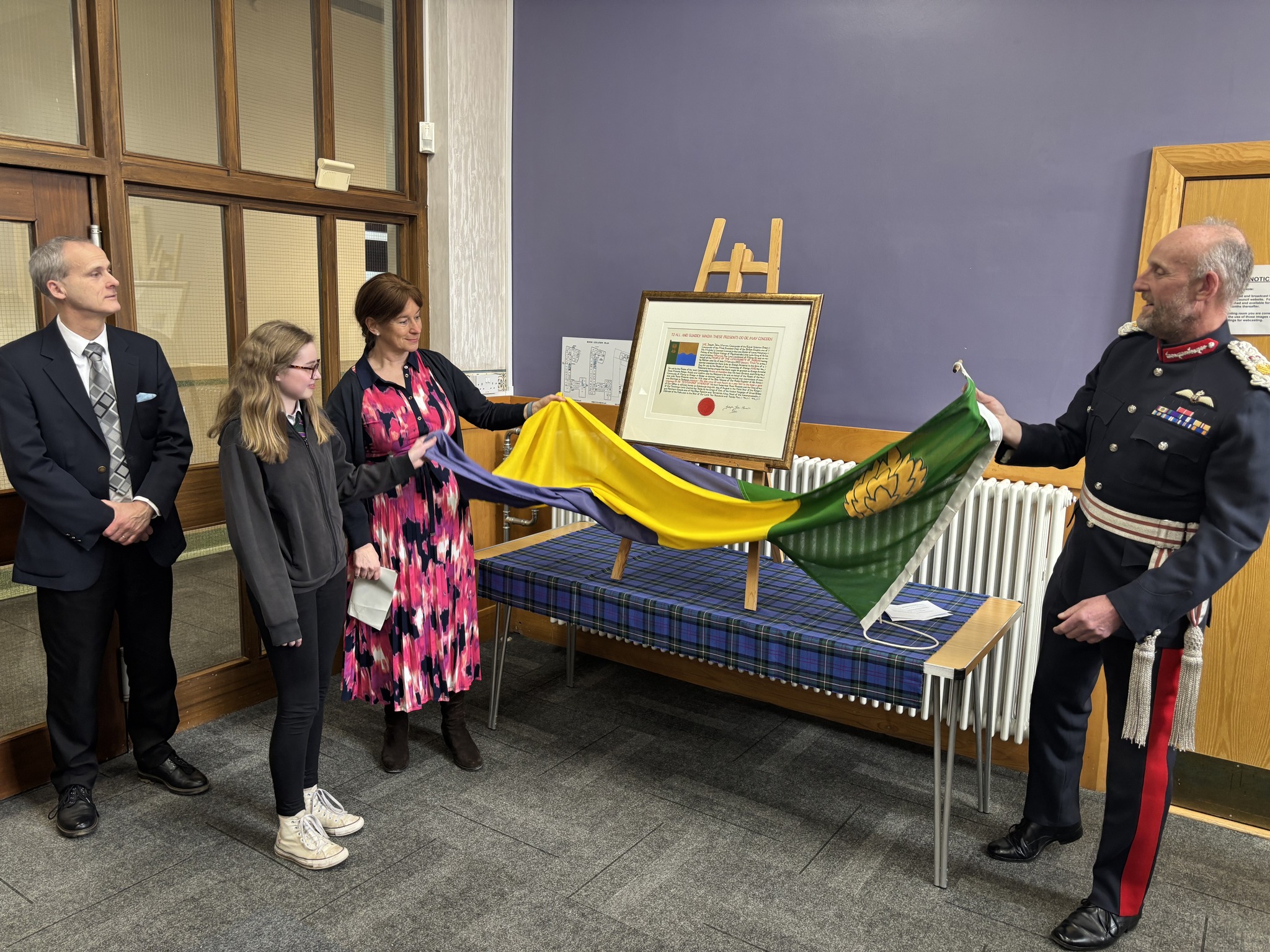
The Letters Patent, issued by the Lord Lyon’s Office in Edinburgh, a crafted vellum document which formally secures the legal status of the Moray Flag. is now on permanent display outside the council chambers.
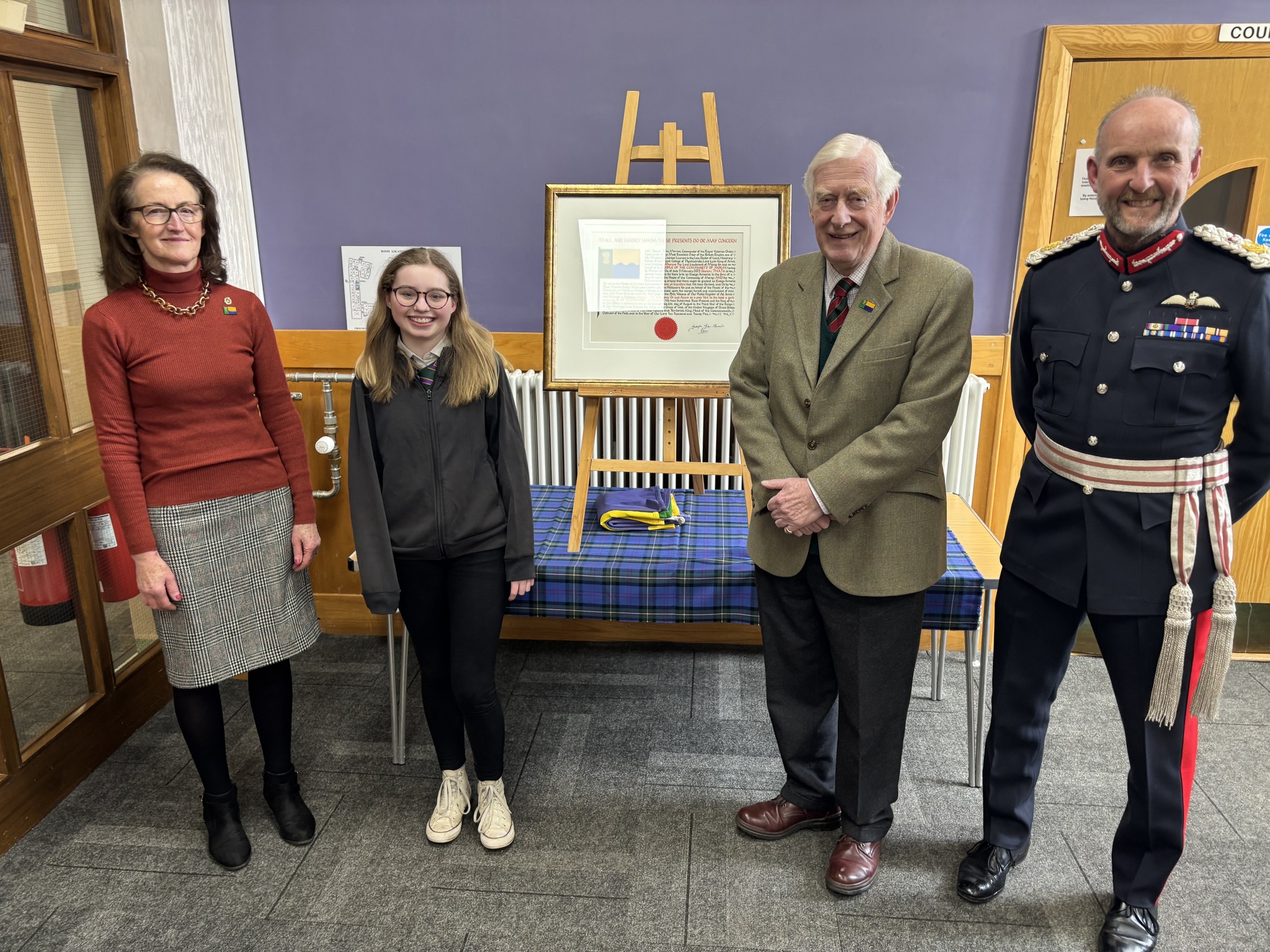
The Moray Flag was unveiled to the public in 2023 following a large-scale design competition launched by the Moray Lieutenancy. More than 600 entries were submitted, with four finalist designs selected for a public vote. The winning design was created by Aila Gibson, then a Primary 7 pupil at Dallas Primary School and reflects Moray’s farmland, barley, rivers, coastline and sunshine.
Cllr John Cowe, Civic Leader of Moray Council, said: “The unveiling of the Letters Patent marks the conclusion of a remarkable journey and secures the Moray Flag’s place in our history. This flag belongs to the people of Moray and it is fitting that the formal record of its status will be hosted here at Council Headquarters.”
Lord Lieutenant of Moray, Air Commodore Alistair Monkman added: “This has been a truly collaborative project involving schools, communities and local organisations, and I am especially keen to acknowledge the work of my predecessor, Major General Seymour Monro, whose drive and determination were instrumental in getting the Moray Flag project off the ground. The Moray Flag is already flying proudly across the region and today’s unveiling formally recognises it as a lasting symbol of Moray’s identity and pride.”
Useful Links

 British County Flags